













































The Role of Sibling Relationships in Our Lives
Published
From childhood squabbles over the TV remote to being the person you call when life gets messy, siblings often shape our lives in ways we don’t always notice. The role of siblings in the family goes far beyond shared bedrooms and inside jokes.
Psychologists widely recognise siblings as one of the most influential relationships in childhood, shaping social behaviours and emotional development through daily interaction. (1)
With National Siblings Day arriving on 10 April, it’s the perfect moment to reflect on the special bond that comes from growing up with a brother or sister. Whether your sibling relationships are filled with playful teasing or heart-to-heart chats, there’s no denying that siblings leave a lasting mark on our lives.
What Is National Siblings Day?
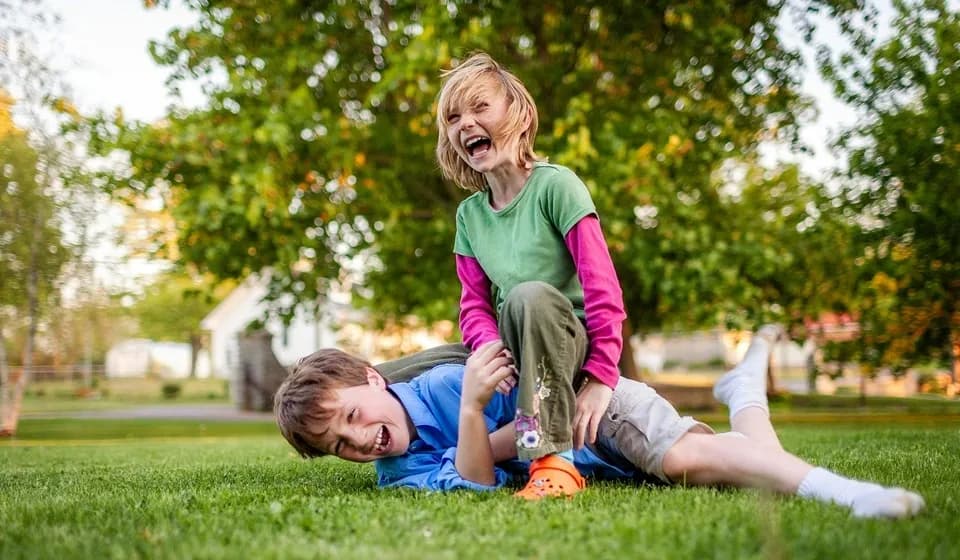
National Siblings Day is a day dedicated to celebrating the unique bond between brothers and sisters. Marked each year on the 10th of April, it’s all about appreciating the people who likely know your childhood stories better than anyone else.
Unlike Mother’s Day or Father’s Day, this celebration is a little less formal – but just as meaningful. Many people use National Siblings Day as a chance to:
- Send a thoughtful card or message
- Share nostalgic photos
- Reminisce about childhood memories
- Thank a sibling for their support over the years
It’s a reminder that even if you don’t speak every day, the relationship of siblings often lasts a lifetime.




Understanding the Role of Siblings in the Family
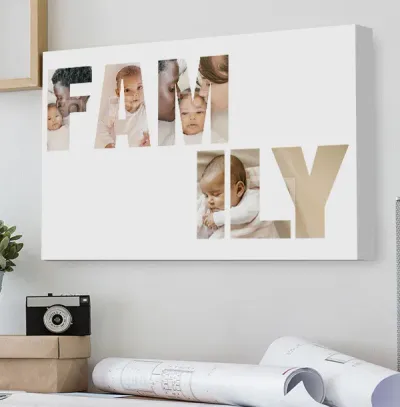
The role of siblings in the family starts early. Brothers and sisters are often our first friends, rivals, teammates, and teachers – all rolled into one.
Growing up with siblings means learning valuable life skills such as:
- Conflict resolution – settling disagreements (eventually!)
- Communication – expressing feelings and opinions
- Empathy – understanding someone else’s perspective
- Teamwork – whether it’s chores or family holidays
Because siblings grow up in the same environment, they share experiences that no one else fully understands. This shared history creates a powerful emotional connection that can last throughout adulthood.
In many cases, the role of siblings in the family also evolves over time. The protective big sister may become the dependable organiser, while the younger brother might grow into the family’s comic relief.
Common Sibling Roles in Families
Every family has its own set of sibling roles, even if they’re never officially discussed. These roles can develop naturally based on age, personality, or circumstances.
Some common sibling roles include:
The Responsible One
Often the eldest, this sibling tends to take charge and help guide the younger ones. They may feel a stronger sense of responsibility within the family.
The Peacemaker
This sibling helps smooth over disagreements and keeps the peace during family conflicts.
The Rebel
Every family seems to have someone who pushes boundaries. While it might cause tension at times, this role can also encourage individuality.
The Comedian
The sibling who lightens the mood with jokes and humour – often the one who keeps family gatherings lively.
These sibling roles can shift and evolve over time, especially as everyone grows up and life responsibilities change.









How Sibling Dynamics Can Shape Our Personalities
The way brothers and sisters interact creates what psychologists call sibling dynamics. Research has shown that siblings play a central role in family life and contribute significantly to children’s emotional and social development. (2)
Positive sibling dynamics often include:
- Encouragement and emotional support
- Healthy competition that motivates growth
- Shared humour and bonding
Of course, sibling dynamics aren’t always smooth. Rivalry, jealousy, or personality clashes are common – especially during childhood. However, experts note that sibling relationships often include both warmth and conflict, which together shape emotional development. (3)
But interestingly, working through these disagreements can actually strengthen the relationship of siblings, teaching patience and understanding along the way.
Why Sibling Relationships Matter in Adulthood
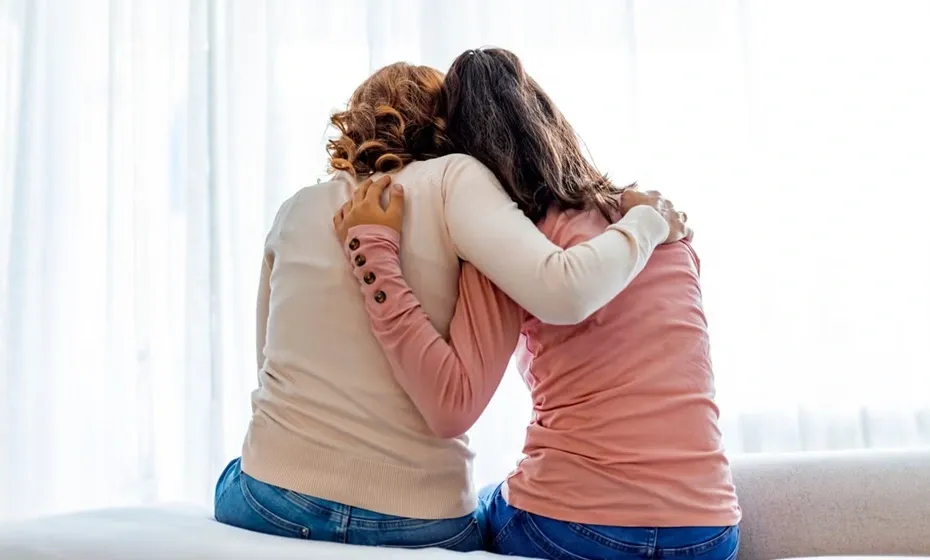
While sibling rivalries may dominate childhood memories, sibling relationships often grow stronger with age. When siblings have close bonds, they often act as role models for one another, influencing achievements and life choices. (4)
As adults, siblings frequently become:
- Trusted confidants who understand family history
- Support systems during major life events
- Lifelong companions who share memories from childhood
The relationship of siblings can also provide a sense of continuity. Even when life changes – new jobs, families, cities – siblings remain a connection to where we came from.
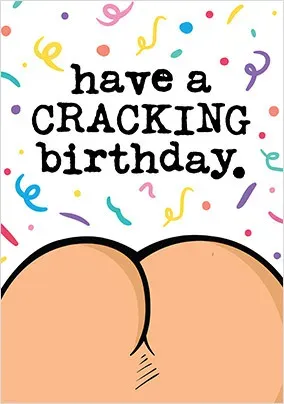
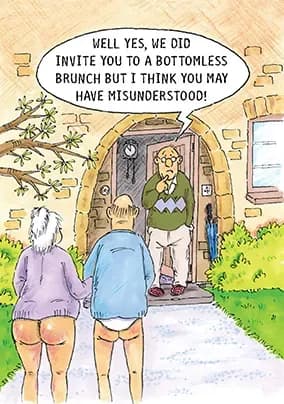
For many people, adult sibling relationships become some of the most meaningful bonds in their lives. Sometimes the simplest way to show appreciation is with a thoughtful message or a funny personalised card that captures your shared sense of humour.
Navigating Different Types of Sibling Relationships
Not every sibling bond looks the same, and that’s completely normal. The relationship of siblings can vary depending on personality, age gaps, and life experiences.
You might have:
- Best-friend siblings who speak daily
- Protective older siblings who always check in
- Playfully competitive siblings close in age who never stop teasing
- Long-distance siblings who reconnect during holidays
All of these forms of sibling relationships are valid. What matters most is the shared connection and history.
Celebrating National Siblings Day
Looking for ways to celebrate National Siblings Day this year? It doesn’t need to be complicated.
Here are a few simple ideas:
- Send a funny or heartfelt card
- Plan a catch-up call or video chat
- Share a throwback photo on social media
- Reminisce about childhood memories together
- Surprise them with a small, personalised gift
Taking a moment on National Siblings Day to appreciate the role of your sibling in the family can mean a lot – even if they pretend to be unimpressed.












The Lasting Importance of the Relationship of Siblings
The relationship of siblings is one of the longest relationships most people experience in their lives. It begins in childhood and often continues for decades.
While the ups and downs of family life may shape sibling dynamics, these connections tend to carry deep meaning. Through shared memories, family traditions, and lifelong support, siblings play an important part in who we become.
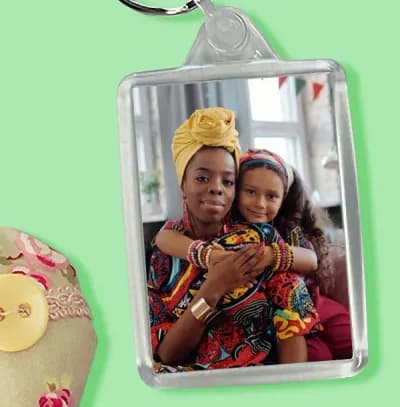
So, this National Siblings Day, it might be worth sending that message, sharing that memory, or simply saying thanks. Because even if they once stole the last biscuit or blamed you for the broken glass, siblings have a way of becoming some of life’s most important people.
Sources: https://pubmed.ncbi.nlm.nih.gov/24653527/, https://www.sciencedirect.com/science/article/abs/pii/S0272735815001026, https://www.nichd.nih.gov/newsroom/news/062618-siblings_


